by Janet McMahon | Sep 15, 2026 | Uncategorized
Owning a home is a long-term commitment that involves more than making a monthly mortgage payment. Regular maintenance, thoughtful improvements, and careful financial planning can help protect your property’s condition and value over time.
Whether you have recently purchased a home or have owned one for years, a proactive approach can help you avoid unnecessary expenses and make better decisions about your property.
Stay Ahead of Home Maintenance
Small maintenance problems can become costly repairs when they are ignored. Regularly check your roof, gutters, plumbing, HVAC system, windows, appliances, and exterior areas.
Creating a seasonal maintenance routine can help you identify potential problems early and keep your home operating efficiently.
Understand Your Home’s Value
Home values can change as market conditions shift. Recent comparable sales, inventory, property condition, and improvements can all influence what a home may be worth.
Reviewing your home’s value periodically can be helpful if you are considering refinancing, selling, renovating, or simply tracking your long-term investment.
Make Improvements With Purpose
Home improvements should balance cost, functionality, and potential value. Before starting a major renovation, consider the project’s expected benefits and how much it will cost.
Updates such as fresh paint, improved lighting, updated flooring, kitchen or bathroom improvements, and energy-efficient features can enhance a home’s functionality and appeal.
Keep Homeownership Costs in Mind
The cost of owning a home goes beyond the mortgage. Property taxes, insurance, utilities, maintenance, repairs, and unexpected expenses should all be considered when planning your budget.
Reviewing these costs regularly can help you prepare for future expenses and avoid financial surprises.
Consider Energy Efficiency
Energy-efficient improvements can reduce operating costs while improving comfort. Depending on the home, upgrades such as better insulation, efficient windows, LED lighting, smart thermostats, and updated HVAC equipment may provide long-term benefits.
Before making an investment, compare the upfront cost with potential savings over time.
Keep Important Records Organized
Keep records of major repairs, renovations, warranties, inspections, permits, and service work. Organized documentation can make future maintenance easier and provide useful information when refinancing or selling.
Digital copies can also make important property records easier to access when needed.
Review Your Insurance Coverage
Your home and its contents can change over time, so it is worth reviewing your insurance coverage periodically. Major renovations, new belongings, or changes to the property may affect your coverage needs.
Discuss your policy with your insurance professional to make sure your coverage remains appropriate.
Stay Informed About the Market
Understanding broader real estate trends can help homeowners make more informed financial decisions. Mortgage rates, home prices, inventory, and economic conditions can all influence the housing market.
However, market conditions can change, so avoid making major decisions based on a single headline or short-term trend.
Plan Before Making Major Decisions
Whether you are considering a renovation, refinancing, selling, or simply maintaining your property, start with reliable information.
Compare costs, consider your long-term goals, and seek professional advice when needed. A thoughtful approach can help you make decisions that support both your home and your finances.
Final Thoughts
Successful homeownership is built on consistent maintenance, smart planning, and informed decisions. By taking care of your property, managing expenses, and understanding its value, you can help protect one of your most important assets.
Small steps today can make homeownership easier and more manageable over the years.
by Janet McMahon | Sep 14, 2026 | Uncategorized
The real estate market in 2026 is giving buyers and sellers a different set of conditions than they experienced in recent years. Mortgage rates remain an important factor, inventory has improved in many markets, and home prices are generally showing more moderate movement.
For anyone considering a move, understanding local market conditions can make it easier to evaluate opportunities and plan.
Mortgage Rates Continue to Influence the Market
Mortgage rates remain one of the biggest factors affecting housing activity. Even modest changes in rates can influence monthly payments, purchasing power, and buyer activity.
Rather than focusing only on whether rates will rise or fall, buyers can benefit from understanding how different financing scenarios affect their individual budgets.
Inventory Is Giving Buyers More Options
Housing inventory has improved in many areas compared with the extremely limited supply seen during the most competitive periods of the market.
More available properties can give buyers additional opportunities to compare prices, features, locations, and property conditions. At the same time, sellers may need to pay closer attention to pricing, presentation, and current competition.
Reviewing active listings and recent sales can provide a clearer picture of available inventory.
Home Prices Are Moving More Gradually
The rapid price increases seen in some markets during previous years have moderated. In 2026, price trends vary significantly by location, property type, and local supply and demand.
Looking at recent comparable sales can help property owners understand current market value, while buyers can use recent sales data to evaluate asking prices more effectively.
Local Data Matters
National housing statistics can provide useful background, but real estate decisions are ultimately local.
Factors such as inventory, days on market, sale-to-list price ratios, new construction, rental activity, employment centers, transportation infrastructure, and development projects can influence a specific market.
Reviewing these factors together can provide a more useful market insight than relying on a single national statistic.
What Buyers Should Watch
Buyers should consider more than the asking price. Monthly financing costs, property taxes, insurance, maintenance, potential improvements, and the property’s overall condition can all affect the cost of ownership.
Taking time to compare properties and understand current market conditions can help buyers make decisions based on their budget and long-term plans.
What Sellers Should Watch
Sellers should pay close attention to current competition. Pricing a property based on outdated market conditions can make it harder to attract serious interest.
Recent comparable sales, active listings, property condition, and buyer activity can help establish a more realistic pricing strategy.
Looking Ahead
The 2026 real estate market is becoming more balanced in many areas, but conditions can differ considerably from one community to another.
For buyers and sellers, the best approach is to focus on current local data, property-specific factors, and individual financial goals rather than trying to predict the market perfectly.
Final Thoughts
Real estate market insight is about understanding the complete picture. Mortgage rates, inventory, home prices, new construction, and local economic activity all play a role.
Whether you are considering buying, selling, investing, or simply monitoring your property’s value, staying informed about the local market can help you make confident decisions.
by Janet McMahon | Sep 8, 2026 | Uncategorized
Buying a home is one of the biggest financial decisions you can make. With changing home prices, mortgage rates, inventory, and financing options, having a clear plan can make the process easier and more manageable.
Start With a Realistic Budget
Before touring homes, determine what you can comfortably afford. Remember to account for more than the mortgage payment. Property taxes, insurance, utilities, maintenance, HOA fees, and closing costs can all affect your total housing expenses.
Your lender can explain your financing range, but your personal budget should guide the final decision. Choose a payment that leaves room for savings and other financial priorities.
Get Pre-Approved
Mortgage pre-approval can help you understand your financing options and establish a realistic price range. Lenders typically review income, credit history, debts, assets, and other financial information.
Getting pre-approved early can also help you move more efficiently when you are ready to make an offer.
Understand Your Down Payment Options
You do not always need a 20% down payment to purchase a home. Requirements vary by loan program, lender, and financial circumstances.
Depending on eligibility, buyers may have access to conventional, FHA, VA, USDA, or other financing options. Compare your down payment with your savings, closing costs, emergency funds, and long-term financial goals before deciding how much to put down.
Know What You Need in a Home
Think about the features that matter most, such as bedrooms, parking, storage, workspace, layout, and outdoor space. Separate essential features from preferences.
Cosmetic details such as paint, lighting, and some finishes can often be changed later. Knowing your priorities can help you focus on the property’s overall value.
Research the Property
Look beyond the home’s appearance. Review property taxes, disclosures, improvements, major systems, the roof, HVAC, utilities, insurance considerations, and any HOA fees or rules.
Recent comparable sales can also help you evaluate the asking price. A professional home inspection may identify issues that are not immediately visible.
Look Beyond the Purchase Price
The purchase price is only part of the cost. Closing expenses may include lender fees, title-related costs, appraisal and inspection fees, prepaid taxes, insurance, and other transaction expenses.
After closing, plan for regular maintenance and unexpected repairs. Building an emergency fund can help manage these costs.
Compare Mortgage Options
Interest rates, loan terms, fees, and monthly payments can vary between mortgage products. When comparing options, consider the overall cost rather than focusing only on the advertised rate.
Review the loan term, annual percentage rate, closing costs, points, lender credits, payment, and whether the loan has a fixed or adjustable rate.
Make an Informed Offer
An offer involves more than the purchase price. Depending on the transaction, financing terms, closing timeline, inspection provisions, appraisal provisions, earnest money, and seller concessions may also be important.
Review the available information with your real estate professional so you understand the terms before submitting an offer.
Stay Focused Throughout the Process
Buying a home involves deadlines, documents, and many decisions. Avoid making a purchase simply because you feel pressured.
At the same time, understand important deadlines and respond promptly when action is required. The goal is to purchase a home that fits your finances, priorities, and long-term plans.
Prepare for Life After Closing
Homeownership continues after you receive the keys. Create a maintenance schedule, keep important documents organized, and set aside funds for future repairs.
Prioritize improvements over time rather than trying to complete everything at once. Consistent maintenance can help protect the condition and value of your property.
Final Thoughts
Successful home buying starts with preparation. Understanding your budget, comparing financing options, researching properties, and considering the full cost of ownership can help you make confident decisions.
The right home should work with your financial situation, priorities, and long-term plans. Taking the time to prepare can make the home buying process more manageable from start to finish.
Ready to begin? Connect with a real estate professional and mortgage lender to discuss your options and take the next step with confidence.
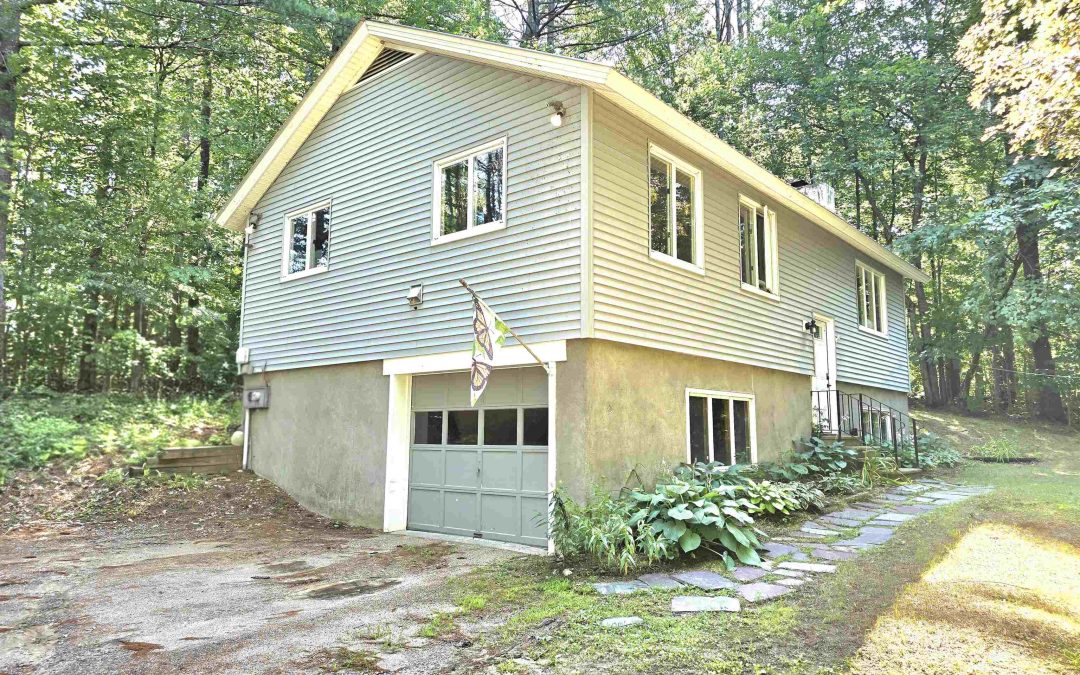
by Janet McMahon | Sep 3, 2026 | RES | Active

$425,000
Active
Looking for a house to truly call HOME? This well maintained property is nestled on a private 0.52 acre lot in Albany, NH, offering a wonderful blend of comfort, updates, and convenience. Over the past 10 years, the current owner has thoughtfully improved the home with newer appliances, updated flooring, a renovated bathroom, and a finished lower level that provides the perfect space for a family room, guest area, home office, or recreation room. The inviting main level features a cozy living room with a fireplace and an open kitchen and dining area designed for easy everyday living and entertaining. Step outside to the spacious deck where you can relax in the saltwater hot tub, enjoy the peaceful backyard, or gather with family and friends. A storage shed provides additional space for outdoor equipment and seasonal items. For added convenience, many furnishings will remain with the home, making your move even easier. Located in a desirable neighborhood setting with quick access to Route 16, you’ll enjoy the convenience of nearby shopping, dining, schools, and everyday amenities while still appreciating the quiet surroundings. Albany is known for its favorable tax rate, making it an attractive choice for both first-time buyers and those looking to downsize. Just minutes from everything Mount Washington Valley has to offer, including skiing, golf, hiking, shopping, dining, and the Tin Mountain Conservation Center. This property offers the opportunity to move right in while adding your own personal touches over time. Come see why this Albany property is the perfect place to start your next chapter. Shown by appointment.
by Janet McMahon | Sep 3, 2026 | Uncategorized
Fall has a way of arriving quietly.
One week the windows are open, the yard is green and summer feels as though it will continue forever. Then the mornings become cooler, leaves begin collecting in the yard and homeowners suddenly remember that winter is not far behind.
That makes September an ideal time to take care of seasonal maintenance.
A little attention now can help prevent small problems from becoming expensive ones later. It can also make your home more comfortable and easier to maintain during colder months.
Whether you plan to stay in your property for years or expect to sell in the near future, fall maintenance is part of protecting your investment.
Start Outside
Walk around the exterior of your home slowly and deliberately.
Look at siding, trim, windows, doors and visible areas of the foundation.
You are looking for changes.
Peeling paint, deteriorated caulking, damaged siding and small openings may allow moisture or cold air into the home. Addressing relatively minor issues before winter weather arrives can be easier than dealing with them during freezing temperatures.
Pay particular attention around windows and exterior doors.
If you notice obvious drafts or gaps, weatherstripping or caulking may improve comfort and energy efficiency. More significant deterioration should be evaluated by an appropriate professional.
Look Up at the Roof
You do not necessarily need to climb onto the roof to spot potential concerns.
From a safe location on the ground, look for missing or damaged shingles and anything that appears unusual.
If you have experienced leaks or suspect roof damage, contact a qualified roofing professional rather than attempting unsafe repairs yourself.
Fall is also an important time to think about gutters.
Leaves, branches and debris can prevent water from draining properly. Clogged gutters may overflow and send water toward siding, walkways or the home’s foundation.
Clean them safely or hire someone who can.
Check downspouts as well and make sure water is being directed appropriately away from the house.
Prepare the Heating System
The first cold night is a terrible time to discover that the heating system is not working properly.
Test the system before you truly need it.
Depending on the type of heating equipment in your home, seasonal servicing may be appropriate. Follow manufacturer recommendations and use qualified professionals when needed.
Replace or clean applicable filters and make sure heating vents, radiators or registers are not blocked by furniture.
If your home has a fireplace, wood stove or chimney, determine whether professional inspection or cleaning is due before using it.
Safety should always take priority over convenience.
Check Smoke and Carbon Monoxide Alarms
Fall is also a good reminder to verify that safety devices are working.
Test smoke alarms and carbon monoxide alarms according to manufacturer instructions and replace batteries or expired units when appropriate.
Review the placement of alarms and applicable local requirements as well.
As homes become more tightly closed during colder weather and heating equipment is used more frequently, functioning carbon monoxide detection becomes particularly important.
Protect Plumbing From Cold Weather
Homeowners in climates where temperatures fall below freezing should prepare exterior plumbing before winter arrives.
Disconnect garden hoses when the season ends.
Drain or winterize outdoor plumbing systems as appropriate for the property.
Know where your main water shutoff is located before an emergency occurs.
If you have plumbing in unheated areas, ask a qualified professional whether additional protection is needed.
A few minutes of preparation can be much easier than dealing with a frozen pipe during a winter storm.
Give the Yard One More Round of Attention
Fall yard work is about more than appearance.
Keep leaves from piling up on walkways where they may become slippery when wet.
Trim vegetation that is contacting the house when appropriate, and inspect trees for obviously damaged or unstable branches.
Outdoor furniture, grills, planters and recreational equipment should be cleaned, covered or stored according to manufacturer recommendations.
If you have an irrigation system, determine whether it needs to be winterized.
Look Inside Too
Seasonal maintenance should include the home’s interior.
Check beneath sinks for signs of moisture.
Look around ceilings and windows for staining that could indicate a leak.
Clean dryer vents and lint areas according to manufacturer guidance.
Vacuum refrigerator coils if recommended for your appliance.
Reverse applicable ceiling fans for winter operation if desired.
Fall is also a great time to declutter mechanical rooms, basements and storage areas so important systems remain accessible.
Create a Home Maintenance Record
One of the simplest improvements homeowners can make is keeping a record of maintenance.
Note when the heating system was serviced, gutters were cleaned, roof was repaired, smoke alarms were replaced or appliances were maintained.
Keep receipts and warranties.
This makes future maintenance easier because you no longer have to rely on memory.
Good records can also be useful when you eventually sell the property. Being able to show buyers that major systems have received consistent care can help demonstrate responsible homeownership.
Your Home Is an Investment Worth Maintaining
Home maintenance is rarely exciting.
But neglect can be expensive.
A clogged gutter, missing roof shingle, small leak or malfunctioning heating system is usually easier to address before it becomes an emergency.
September gives homeowners a valuable window between summer heat and winter weather to identify problems and prepare.
Spend a weekend walking through your property with fresh eyes. Make notes, prioritize what needs attention and bring in qualified professionals where appropriate.
Your future self may be very glad you did.
Thinking about selling in the next six to twelve months? Contact me before you begin major projects. I can help you understand which improvements may matter to buyers in your local market—and which ones may not be worth the expense.
by Janet McMahon | Sep 3, 2026 | Uncategorized
As summer winds down and routines shift back toward work, school, and fall activities, the real estate market changes too. September often marks the beginning of a different phase of the housing year one that can create opportunities for both buyers and sellers who understand what is happening in their local market.
The most important thing to know about the fall 2026 housing market is that there is no single national story.
Some communities continue to have limited inventory and strong competition for well-priced homes. Others are giving buyers significantly more choices and negotiating leverage. That makes local market knowledge particularly valuable heading into fall.
Nationally, the housing market entered September at a measured pace. The National Association of REALTORS® reported that existing-home sales declined 1.7% from June to July 2026, although sales were still slightly higher than a year earlier. The median existing-home price was $434,100, up 2% year over year, while available inventory represented approximately 4.6 months of supply. Homes sold in a median of 29 days.
At the same time, late-August market data showed new listings increasing while pending sales softened, potentially giving serious buyers more opportunities to negotiate in some parts of the country.
What Fall Means for Buyers
Fall buyers may encounter a different experience than people who were shopping during the spring rush.
There can be fewer buyers competing for the same property once summer vacations end and families settle into the school year. Sellers who listed earlier in the year may also become more open to negotiations if their homes have remained on the market longer than expected.
That does not mean buyers should assume every seller is desperate to make a deal. Desirable homes that are properly priced can still attract significant interest.
Instead, buyers should use the changing season to become more strategic.
Look beyond the asking price. Consider how long the property has been available, whether the price has been reduced, how similar properties have recently sold, and whether the seller appears motivated by a particular timeline.
Financing remains another major factor. Freddie Mac reported that the average rate for a 30-year fixed mortgage was 6.66% as of August 27, 2026. Because even relatively small changes in interest rates can affect monthly payments, buyers should discuss financing options with a qualified lender before deciding what they can comfortably spend.
What Fall Means for Sellers
Sellers should not interpret the end of summer as the end of the selling season.
People buy homes throughout the year because life continues throughout the year. Job relocations, growing households, downsizing, retirement, lease expirations, marriages and other life changes do not stop after Labor Day.
But fall buyers may be more deliberate.
A seller who wants to attract serious attention should focus on three fundamentals: condition, presentation and price.
The first few weeks on the market remain extremely important. Buyers have access to extensive online information and can quickly compare a property with competing listings. An unrealistic price can cause a home to be overlooked at the moment when buyer interest should be strongest.
Fall presentation matters as well. Shorter days mean good lighting becomes increasingly important. Clean windows, warm interior lighting, tidy landscaping and uncluttered rooms can help a home feel inviting rather than dark or dated.
Watch the Local Numbers
National headlines can provide context, but they cannot tell you what is happening in a specific neighborhood.
One community may have several months of available inventory while another just a few miles away has multiple buyers competing for relatively few homes. Condominiums may behave differently from single-family homes, and entry-level homes may experience very different demand than luxury properties.
Before making a decision, look at recent comparable sales, active listings, days on market, price reductions and the relationship between asking prices and actual sale prices.
Those numbers tell a much more useful story than a national headline.
A Season for Strategy
The fall market can reward people who are prepared.
Buyers may find additional choices and opportunities to negotiate. Sellers may encounter a smaller but serious pool of purchasers. In both cases, success is less about trying to perfectly time the housing market and more about understanding the market you are actually in.
If buying or selling a home is part of your plans this fall, start by having a conversation with a knowledgeable local real estate professional. A review of current inventory, recent sales and your individual goals can help you determine whether September is the right time to make your move.
Ready to understand what the fall market looks like in your area? Contact me for a local market update and a strategy built around your goals.
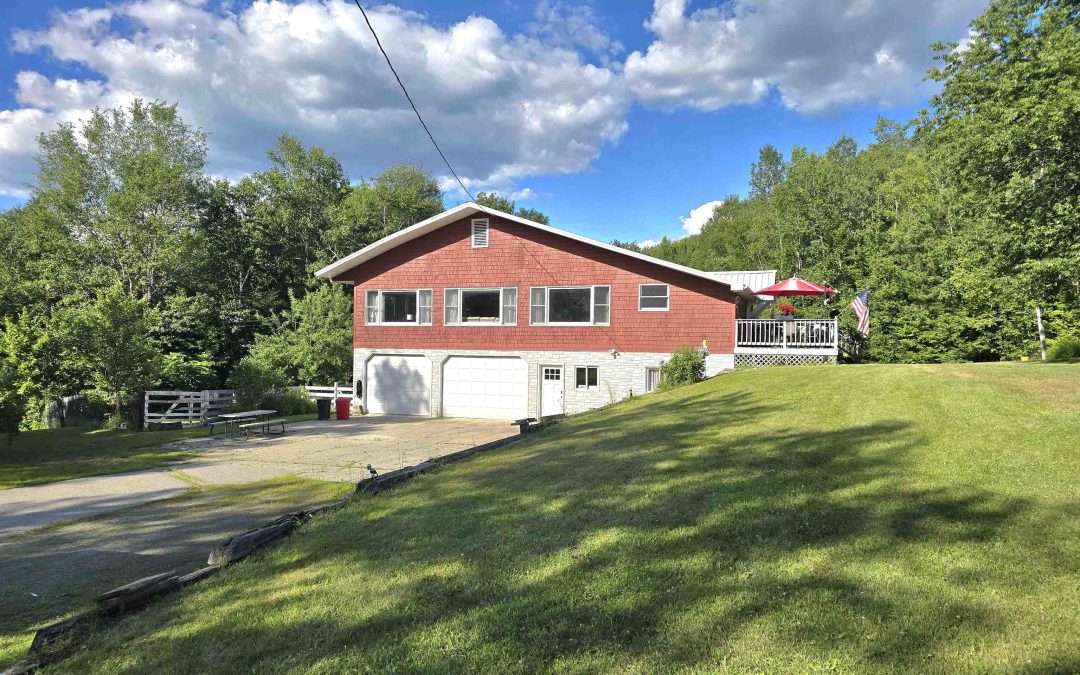
by Janet McMahon | Aug 25, 2026 | RES | Active

$409,900
Active
Lovingly owned since 2021, this home has been a cherished weekend retreat and gathering place for family and friends. Set atop a hill on 1.6 private acres and surrounded by hundreds of acres of abutting land, the peaceful setting offers privacy, beautiful sunsets, and room to enjoy the outdoors. Located on a private road with just one other home, it’s a place where you can truly unwind. Over the years, thoughtful updates including new flooring, windows, paint, and other improvements have enhanced the home’s comfort while maintaining its welcoming character. The spacious rooms provide plenty of room for entertaining, relaxing, and creating lasting memories. The flexible floor plan is well suited for a multi-generational family, featuring a lower-level bedroom, spacious family room, and an area with the potential to add a second kitchen, creating additional living space for extended family or guests. The landscaped yard features apple trees, colorful flower gardens, fenced areas, and open space perfect for outdoor fun. Whether it’s a game of wiffle ball, riding dirt bikes, taking the ATV directly to nearby trails, snowmobiling in the winter, sledding down the backyard hill, or gathering around the fire pit for s’mores while watching the sunset, this property offers an outdoor lifestyle that’s hard to match. An additional garage at the rear of the property provides valuable storage or workshop space. While it could benefit from some updating, it has been functional for storage and recreational equipment. To make your move even easier, most furnishings will convey with the sale, allowing you to begin enjoying the home from day one. Agent interest. Please do not drive by the property. Showings are by appointment only.
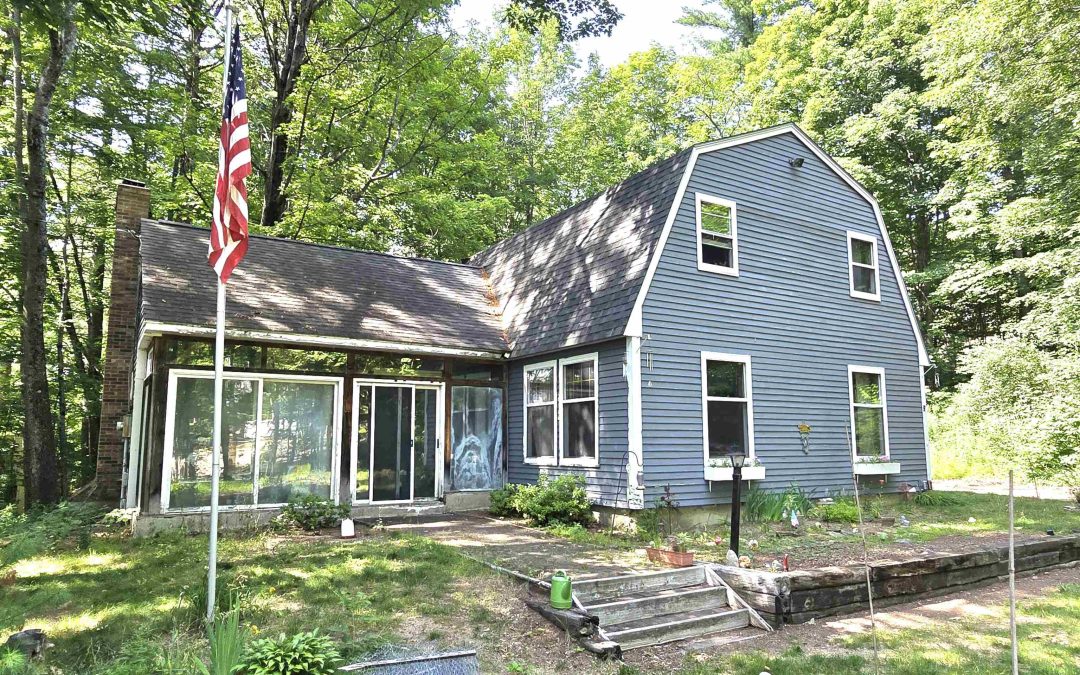
by Janet McMahon | Aug 20, 2026 | RES | Active

$510,000
Active
After 32 years of ownership, this well-loved post-and-beam home is ready for its next chapter. Ideally located in Intervale (Bartlett), you’ll enjoy easy access to North Conway, skiing, hiking, shopping, dining, and all the recreational opportunities the Mount Washington Valley has to offer. With desirable Bartlett property taxes and seasonal views of the Moat Mountain Range, this property offers an exceptional opportunity in a sought-after location. Filled with warm wood accents and rustic character, the home features a functional floor plan with three bedrooms and 1½ baths. The main level offers a bedroom, a half bath with laundry, a spacious living room, and a fully applianced kitchen with a dining area centered around a cozy wood stove. Upstairs you’ll find a generously sized primary bedroom, a three-quarter bath, and a third bedroom. Outside, the detached two-bay garage includes a workshop and ample storage above, making it ideal for hobbies, outdoor gear, or additional workspace. The level, landscaped yard features a large garden area, seasonal mountain views, and the potential for expanded views with selective clearing. Like many well-loved homes, there are a few projects and updates to consider, and the listing price reflects that opportunity. Whether you’re looking for a primary residence, a vacation getaway, or an investment opportunity, this is your chance to build equity and make this classic New Hampshire home your own in one of the Valley’s most desirable locations. Properties in Intervale are always in demand for their convenient location, lower Bartlett property taxes, and easy access to everything the Mount Washington Valley has to offer. Don’t miss this opportunity to make this special property your own. Shown by appointment.

by Janet McMahon | Jul 23, 2026 | OPEN HOUSE | RES | Active
 OPEN HOUSE: Sun, Jul 26, 2026 11:00 AM – 12:30 PM
$235,000
Perfect starter home or second home in the heart of Conway at Saco Woods. This condo unit is turnkey and ready for new owners to enjoy. Located in the third building on the second floor, an end unit with additional windows for air flow and sunlight. Fully furnished throughout, making this a great, affordable starter or vacation home. Stackable washer/dryer in the unit and a fully equipped kitchen. Nicely cared for unit with plenty of storage. There is a covered deck off the living room that can be screened in for additional living space with a closet. This unit comes with a carport and a lockable storage area. You will love the carport come winter when you don’t have to move your car for plowing! Easy to show with notice. No STR.

by Janet McMahon | Jul 23, 2026 | RES | Active

$1,800,000
Active
A rare opportunity to own this exceptional custom home in Hales Location, one of the Mount Washington Valley’s most sought after luxury golf communities, where exceptionally low property taxes and a deeded membership to the award winning 9 hole golf course create an unmatched lifestyle. From the moment you enter, soaring ceilings, expansive windows, and a striking stone hearth gas fireplace create an impressive yet welcoming living room. Just beyond, a sun filled three season room with a wall of windows captures seasonal mountain views and provides the perfect space for relaxing or entertaining. The kitchen is both beautiful and functional, featuring granite countertops, maple cabinetry, a walk in pantry, and a bright breakfast nook. A formal dining room and private office with double glass doors offer ideal spaces for gatherings and working from home. The main level is completed by a stunning primary suite with a luxurious ensuite bath, a guest bath, and an oversized laundry room with abundant storage and an additional bath conveniently located off the heated two car garage. Upstairs, you’ll find three spacious bedrooms, two full baths, and additional access to a large bonus room over the garage, offering flexible space for guests, hobbies, or recreation. Designed with entertaining in mind, the finished walk out lower level features a billiards area, multiple sitting spaces, a cozy gas stove, and a three quarter bath. Sliders lead to the beautifully landscaped backyard, while the deck above provides another place to enjoy seasonal mountain views. Community amenities include onsite dining at the White Mountain Hotel & Resort, along with water, road maintenance, and trash service through the HOA. Nearby trails lead directly to Echo Lake State Park for swimming, hiking, and biking, while North Conway Village is just minutes away for shopping, dining, tax free shopping, and year-round recreation. Shown by appointment. Three bedroom septic.