by Janet McMahon | Sep 3, 2026 | Uncategorized
Warm cinnamon apples under a buttery oat topping – an easy September dessert for the start of fall.
Few desserts announce the beginning of fall as simply as apple crisp. It has all the comfort of apple pie without the work of making and rolling a crust, which makes it ideal for a September weekend, a casual dinner with friends, or an easy dessert after apple picking.
This version keeps the filling straightforward: apples, cinnamon, brown sugar, a little lemon, and just enough thickener to create a glossy fruit filling. The topping is crisp and buttery with oats, brown sugar, flour, and warm spice. Serve it warm on its own or add vanilla ice cream for the classic finish.
Recipe at a Glance
|
Serves
|
Prep
|
Bake
|
Total
|
|
8
|
20 min
|
40-45 min
|
About 1 hr
|
Ingredients
For the Apple Filling
-
6 medium apples, about 2 1/2 to 3 pounds total
-
1 tablespoon fresh lemon juice
-
1/3 cup packed light brown sugar
-
1 teaspoon ground cinnamon
-
1/4 teaspoon ground nutmeg
-
1/4 teaspoon kosher salt
-
1 tablespoon all-purpose flour or cornstarch
-
1 teaspoon vanilla extract
For the Crisp Topping
-
1 cup old-fashioned rolled oats
-
3/4 cup all-purpose flour
-
2/3 cup packed light brown sugar
-
1/2 teaspoon ground cinnamon
-
1/4 teaspoon kosher salt
-
8 tablespoons (1 stick) cold unsalted butter, cut into small cubes
-
Optional: 1/2 cup chopped pecans or walnuts
For Serving
Instructions
1. Heat the oven and prepare the dish: Preheat the oven to 350°F. Lightly butter or grease a 9-inch square baking dish or a similar 2-quart baking dish.
2. Prepare the apples: Peel the apples if desired, then core and slice them into pieces about 1/4 inch thick. Place them in a large bowl and toss with lemon juice, brown sugar, cinnamon, nutmeg, salt, flour or cornstarch, and vanilla. Transfer the mixture to the prepared baking dish and spread it into an even layer.
3. Make the topping: In a separate bowl, combine the oats, flour, brown sugar, cinnamon, and salt. Add the cold butter. Use a pastry cutter, fork, or your fingertips to work the butter into the dry ingredients until the mixture forms coarse crumbs with some pea-size pieces. Stir in nuts if using.
4. Top the apples: Scatter the crisp mixture evenly over the apples. Do not press it down firmly; a loose topping creates better texture as it bakes.
5. Bake: Bake for 40 to 45 minutes, or until the topping is golden brown and the apple filling is bubbling around the edges. If the top browns too quickly, loosely cover the dish with foil during the final 10 minutes.
6. Rest before serving: Let the apple crisp rest for at least 10 to 15 minutes before serving. This gives the filling time to thicken slightly while still keeping the dessert warm. Serve plain or with vanilla ice cream or whipped cream.
Helpful Tips
-
For the best flavor and texture, use a mix of apple varieties. Pair a tart apple such as Granny Smith with a sweeter, firmer apple such as Honeycrisp, Pink Lady, or Fuji.
-
Old-fashioned rolled oats create a heartier topping than quick oats. Avoid steel-cut oats for this recipe.
-
Keep the butter cold until you are ready to mix the topping. Cold butter helps create distinct, crisp crumbs rather than a flat topping.
-
If you prefer a less-sweet dessert, reduce the brown sugar in the filling to 1/4 cup.
-
For extra fall flavor, add a pinch of ground ginger or cardamom to the filling.
Make-Ahead & Storage
Apple crisp can be assembled several hours in advance and refrigerated before baking. If baking directly from the refrigerator, allow a few extra minutes in the oven.
Store cooled leftovers covered in the refrigerator for up to 4 days. Reheat individual portions in the microwave, or warm the baking dish in a 325°F oven until heated through. The topping is usually crispiest when reheated in the oven.
A Simple Taste of Fall
Apple crisp is a useful recipe to keep in your fall rotation because it feels homemade and seasonal without requiring specialized baking skills. It works just as well for a casual family dinner as it does for guests.
Make it on a cool September evening, serve it warm from the oven, and let the combination of baked apples, cinnamon, and buttery oats do the rest.
by Janet McMahon | Sep 1, 2026 | Uncategorized
Running a real estate business involves much more than buying, selling, or managing properties. Behind every successful transaction is a strong operational system that keeps communication, documents, marketing, finances, and client service organized.
Efficient business operations can help real estate professionals save time, reduce errors, improve the client experience, and create a more consistent workflow.
Understanding Business Operations in Real Estate
Business operations include the daily processes that keep a real estate business moving. These processes can cover administrative work, transaction management, marketing, accounting, technology, communication, and customer service.
A well-organized operation helps ensure that important tasks are completed on time and responsibilities remain clear.
Create Clear and Consistent Workflows
Real estate transactions involve multiple steps and deadlines. Without a clear workflow, important details can be overlooked.
Start by documenting common processes from the initial client contact through transaction completion. Having a defined process for onboarding, listing preparation, marketing, contracts, inspections, appraisals, closing, and follow-up can make daily operations easier to manage.
Repeatable workflows also make it easier to identify delays and improve processes over time.
Use Technology to Improve Efficiency
Technology can simplify many routine tasks within a real estate business. Customer relationship management systems, transaction management platforms, accounting software, digital signature tools, and scheduling applications can reduce repetitive administrative work.
Automation can also support follow-up messages, appointment reminders, document organization, task notifications, and marketing schedules.
The goal is not to automate every part of the business. Instead, technology should handle repetitive tasks while professionals remain focused on communication, relationships, and important decisions.
Keep Communication Organized
Clear communication is an important part of effective real estate operations. Transactions can involve multiple conversations, documents, appointments, and deadlines.
Establishing consistent communication practices can help keep information organized. Using appropriate systems for email, messaging, calls, and transaction updates can also make it easier to track important details.
Organized communication can improve efficiency while helping create a more consistent client experience.
Protect Business Documents and Information
Real estate businesses often handle contracts, financial information, identification documents, property records, and other sensitive materials.
Important information should be stored using secure systems. Access should be limited to authorized individuals, and account permissions should be reviewed regularly.
Reliable backups and appropriate data protection practices can also help reduce the risk of losing important business information.
Manage Business Finances Carefully
Financial management is another important part of real estate operations. Accurate records can help a business understand its income, expenses, cash flow, and overall performance.
Regularly reviewing business expenses can also reveal areas where costs may be reduced, or resources can be used more effectively.
A clear financial process gives business owners better information when making decisions about marketing, staffing, technology, and future growth.
Develop a Consistent Marketing Process
Marketing works best when it is supported by a reliable process. Real estate businesses may manage website content, property marketing, social media, email campaigns, photography, and other promotional activities.
A content calendar can help organize marketing activities and maintain consistency. Establishing a process for creating, reviewing, approving, publishing, and measuring content can also reduce last-minute work.
Regular performance reviews can help determine which marketing activities are producing useful engagement and business opportunities.
Measure Business Performance
Effective operations require more than completing daily tasks. It is also important to understand how well those processes are working.
Real estate professionals can track metrics such as lead response time, conversion rates, transaction volume, marketing costs, client retention, and overall revenue.
Reviewing these numbers regularly can reveal patterns and highlight areas that may need improvement.
Delegate Tasks When Appropriate
As a real estate business grows, managing every responsibility alone can become difficult. Delegating appropriate administrative, marketing, transaction, or bookkeeping tasks can free up time for higher-value responsibilities.
Successful delegation starts with clearly defined responsibilities. Written procedures and shared workflows can help ensure that delegated tasks are completed consistently.
Review and Improve Your Processes
Business operations should not remain unchanged as a company grows. Tools, responsibilities, client expectations, and transaction volume can all change over time.
Regular operational reviews can help identify tasks that take too much time, processes that create repeated errors, and opportunities for automation or delegation.
Even small improvements can make daily operations more efficient.
Build a Strong Foundation for Growth
Efficient business operations can provide a strong foundation for a growing real estate business. Clear workflows, organized communication, reliable technology, sound financial practices, and consistent marketing can make it easier to manage daily responsibilities.
The objective is not simply to work faster. It is to create systems that support better organization, consistent service, and sustainable business growth.
by Janet McMahon | Aug 25, 2026 | Uncategorized
Buying a home is an exciting milestone, but it also comes with important financial decisions. Whether you are purchasing your first home or looking for your next property, preparation can make the process easier and more manageable.
From understanding your budget to comparing properties, taking the right steps early can help you make a confident home-buying decision.
Start With Your Budget
Before looking at homes, determine how much you can comfortably afford.
Consider more than the purchase price. Your budget should also account for mortgage payments, property taxes, homeowners insurance, maintenance, utilities, and potential closing costs.
A realistic budget can help you focus on homes that fit your financial plans.
Get Pre-Approved for a Mortgage
A mortgage pre-approval can give you a clearer idea of your potential borrowing range.
Lenders typically review factors such as income, credit history, debts, and assets when evaluating a mortgage application. A pre-approval can also help you understand your estimated monthly payment before you begin making offers.
Keep in mind that a pre-approval is not a guarantee of final loan approval.
Think About Your Long-Term Goals
A home should fit more than your needs today.
Consider how long you expect to stay in the property and whether the home could continue to work for you as your circumstances change.
Think about features such as the number of bedrooms, workspace needs, storage, outdoor space, maintenance requirements, and overall layout.
Research the Property and Area
Once you find a home you like, take time to research the property.
Review available information about the home’s condition, age, major systems, property taxes, insurance considerations, and any applicable homeowners association fees or rules.
You can also research nearby transportation, shopping, recreation, schools, public services, and other amenities that are important to you.
Look Beyond the Listing Price
The listing price is only one part of the cost of buying a home.
Ask about potential repairs, maintenance, insurance, taxes, closing costs, and other expenses. A home with a lower purchase price may not always have the lowest overall cost of ownership.
Understanding the full financial picture can help you compare properties more effectively.
Schedule a Home Inspection
A professional home inspection can provide valuable information about the property’s condition.
An inspection may identify concerns involving the roof, foundation, plumbing, electrical systems, heating and cooling equipment, or other components.
The inspection does not guarantee that a home will have no problems, but it can help you better understand the property before completing the purchase.
Keep Some Savings Available
It can be tempting to use most of your available funds toward the down payment and closing costs.
However, keeping an emergency fund can be helpful after you move in. Unexpected repairs, maintenance needs, moving expenses, or other costs can arise.
Planning for these expenses can provide greater financial flexibility.
Take Your Time With the Decision
Buying a home is a significant commitment. Avoid making a decision based only on excitement or pressure.
Compare properties, review your financing options, ask questions, and consider how each home fits your budget and long-term plans.
The goal is not simply to find a home you like. It is to find a property that makes sense for your overall financial and lifestyle goals.
Work With the Right Professionals
A real estate professional can help you understand the buying process, compare properties, prepare offers, and navigate the transaction.
Mortgage professionals, inspectors, insurance providers, attorneys, and other qualified professionals may also play important roles depending on the transaction and local requirements.
Having the right team can help you move through the process with greater clarity.
The Bottom Line
A successful home purchase starts with preparation. Establishing a realistic budget, understanding financing, researching properties, and planning for future expenses can help you make a more informed decision.
If you are thinking about buying a home, taking the time to prepare now can make the journey smoother and help you move forward with confidence.
by Janet McMahon | Aug 21, 2026 | Uncategorized
Real estate decisions can have a major impact on your finances, lifestyle, and long-term plans. Whether you are buying your first home, selling a property, or simply exploring your options, having a clear strategy can make the process easier to manage.
The real estate market can change over time, but some basic principles remain useful. Understanding your budget, researching the market, preparing your property, and making informed decisions can help you move forward with greater confidence.
1. Know Your Budget
Before looking at homes, determine what you can comfortably afford. Consider your income, savings, monthly expenses, mortgage payment, property taxes, insurance, maintenance, and other homeownership costs.
A realistic budget can help you focus on properties that fit your financial situation rather than simply choosing the highest purchase price you may qualify for.
2. Get Your Financing Ready
If you are planning to buy, getting pre-approved for a mortgage can help you understand your potential borrowing range and prepare for the purchase process.
Compare loan options, interest rates, fees, and terms carefully. Understanding the full cost of financing can help you make a more informed decision.
3. Research the Local Market
Real estate conditions can vary significantly from one location to another. Look at recent sales, available inventory, asking prices, and other local market factors before making a decision.
Understanding local conditions can help buyers set realistic expectations and help sellers develop a more informed pricing strategy.
4. Look Beyond the Purchase Price
The cost of a home includes more than the sale price. Buyers should consider property taxes, insurance, utilities, maintenance, potential repairs, and other ongoing expenses.
A home with a lower purchase price may not always have the lowest overall cost. Looking at the bigger financial picture can help you compare properties more effectively.
5. Prioritize the Home’s Condition
Before purchasing a property, pay attention to its overall condition. A professional home inspection can help identify potential issues involving major systems and components.
Understanding the condition of the property can help you plan for repairs and evaluate whether the home fits your budget and expectations.
6. Avoid Unnecessary Renovations
If you are selling your home, you may not need to complete a major renovation before listing. Simple improvements such as decluttering, cleaning, fresh paint, improved lighting, and basic maintenance can make a noticeable difference.
Focus on improvements that address visible issues and help present the property in a clean and well-maintained condition.
7. Price Your Home Carefully
Pricing is one of the most important parts of a successful home sale. A price that is too high can reduce buyer interest, while pricing based on current market conditions can help attract serious attention.
Review comparable properties and current market activity when determining a listing strategy. A real estate professional can also provide a comparative market analysis to help you understand local pricing.
8. Make Your Listing Stand Out
Most buyers begin their home search online, so strong presentation matters. Clear descriptions, accurate information, and high-quality property photography can help potential buyers understand what a home offers.
Focus on objective property features and avoid descriptions that suggest preferences for particular types of people or households. Keeping marketing focused on the property and its features also supports Fair Housing compliance.
9. Think About Your Long-Term Goals
A real estate decision should fit more than your immediate needs. Consider how a property could support your financial and lifestyle goals over time.
For buyers, this may mean considering future maintenance, affordability, and flexibility. For sellers, it may mean thinking about timing, equity, and the next stage of their plans.
10. Work With the Right Professionals
Real estate transactions involve many details, including contracts, financing, inspections, disclosures, negotiations, and closing requirements.
Working with qualified professionals can help you understand the process and make informed decisions. Depending on your situation, this may include a real estate professional, lender, inspector, attorney, tax professional, or other appropriate advisor.
Final Thoughts
Successful real estate decisions start with preparation. Knowing your budget, understanding the local market, evaluating property conditions, and thinking about long-term costs can help you avoid unnecessary surprises.
Whether you are buying, selling, or simply planning, taking the time to understand your options can help you make decisions with greater clarity and confidence.
by Janet McMahon | Aug 18, 2026 | Uncategorized
Home improvement can make a property more comfortable while also supporting its appeal when it is time to sell. However, not every project offers the same return. The best improvements often focus on condition, function, appearance, and features that buyers can easily appreciate.
Start With High-Impact Improvements
Before taking on a major renovation, look at the condition of the home. Small repairs can make a noticeable difference. Fixing leaky faucets, replacing damaged flooring, touching up paint, and updating worn hardware can help a property feel well- maintained.
Fresh paint is another simple improvement. Neutral, well-maintained finishes can give rooms a clean and updated appearance without requiring a large budget.
Improve Curb Appeal
The exterior creates the first impression of a property. Simple projects such as trimming overgrown plants, cleaning walkways, updating exterior lighting, and refreshing the front entry can improve the overall presentation.
Keep outdoor improvements practical. A clean, maintained yard and an inviting entry can often provide more value than expensive landscaping projects.
Focus on the Kitchen and Bathrooms
Kitchens and bathrooms are important areas to consider when improving a home. You may not need a full renovation to create an updated look. Replacing cabinet hardware, updating light fixtures, refreshing paint, or replacing outdated faucets can make these spaces feel more current.
If a larger renovation is needed, set a budget before work begins. Consider the home’s overall value and the potential return before choosing high-end finishes.
Make the Home More Functional
Home improvements that improve everyday function can also support resale appeal. Better storage, improved lighting, updated doors, and practical organization can make rooms easier to use.
Energy-efficient upgrades may also be worth considering. Improvements such as efficient lighting, smart thermostats, improved insulation, and energy-saving appliances can support comfort and may reduce ongoing costs.
Think About Maintenance
Some improvements are less exciting but can be valuable because they address important maintenance needs. Replacing an aging roof, repairing exterior damage, updating plumbing, or addressing electrical concerns can help protect the property’s condition.
Keep records of completed work, including receipts, warranties, permits, and contractor information. These records can be useful when evaluating the property later.
Choose Improvements With Your Goals in Mind
The right home improvement project depends on your goals, budget, timeline, and property. If you plan to stay for several years, prioritize improvements that make the home more comfortable and functional.
If you are preparing to sell, focus on projects that improve condition, presentation, and buyer appeal without over-improving for the market.
Final Thoughts
Home improvement does not always require a major renovation. Thoughtful updates, regular maintenance, and practical improvements can help protect a property’s condition and strengthen its appeal.
Before starting a project, compare the cost with the potential benefits and consider how the improvement fits your long-term real estate goals.

by Janet McMahon | Jul 23, 2026 | RES | Active

$235,000
Active
Perfect starter home or second home in the heart of Conway at Saco Woods. This condo unit is turnkey and ready for new owners to enjoy. Located in the third building on the second floor, an end unit with additional windows for air flow and sunlight. Fully furnished throughout, making this a great, affordable starter or vacation home. Stackable washer/dryer in the unit and a fully equipped kitchen. Nicely cared for unit with plenty of storage. There is a covered deck off the living room that can be screened in for additional living space with a closet. This unit comes with a carport and a lockable storage area. You will love the carport come winter when you don’t have to move your car for plowing! Easy to show with notice. No STR.

by Janet McMahon | Jul 21, 2026 | RES | Active
$239,000
Active
Perfect starter home or second home in the heart of Conway at Saco Woods. This condo unit is turnkey and ready for new owners to enjoy. Located in the third building on the second floor, an end unit with additional windows for air flow and sunlight. Fully furnished throughout, making this a great, affordable starter or vacation home. Stackable washer/dryer in the unit and a fully equipped kitchen. Nicely cared for unit with plenty of storage. There is a covered deck off the living room that can be screened in for additional living space with a closet. This unit comes with a carport and a lockable storage area. You will love the carport come winter when you don’t have to move your car for plowing! Easy to show with notice. No STR.
by Janet McMahon | Jul 20, 2026 | RES | Active

$535,000
Active
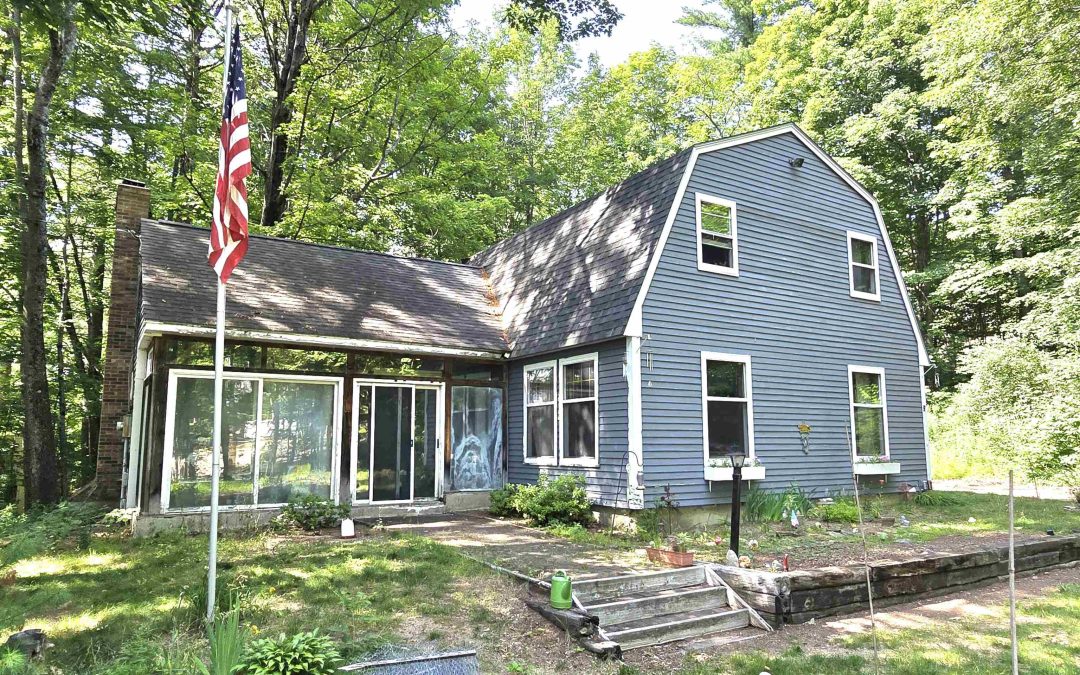
After 32 years of ownership, this well-loved post-and-beam home is ready for its next chapter. Ideally located in Intervale (Bartlett), you’ll enjoy easy access to North Conway, skiing, hiking, shopping, dining, and all the recreational opportunities the Mount Washington Valley has to offer. With desirable Bartlett property taxes and seasonal views of the Moat Mountain Range, this property offers an exceptional opportunity in a sought-after location. Filled with warm wood accents and rustic character, the home features a functional floor plan with three bedrooms and 1½ baths. The main level offers a bedroom, a half bath with laundry, a spacious living room, and a fully applianced kitchen with a dining area centered around a cozy wood stove. Upstairs you’ll find a generously sized primary bedroom, a three-quarter bath, and a third bedroom. Outside, the detached two-bay garage includes a workshop and ample storage above, making it ideal for hobbies, outdoor gear, or additional workspace. The level, landscaped yard features a large garden area, seasonal mountain views, and the potential for expanded views with selective clearing. Like many well-loved homes, there are a few projects and updates to consider, and the listing price reflects that opportunity. Whether you’re looking for a primary residence, a vacation getaway, or an investment opportunity, this is your chance to build equity and make this classic New Hampshire home your own in one of the Valley’s most desirable locations. Properties in Intervale are always in demand for their convenient location, lower Bartlett property taxes, and easy access to everything the Mount Washington Valley has to offer. Don’t miss this opportunity to make this special property your own. Shown by appointment.

by Janet McMahon | Jul 18, 2026 | RES | Closed

$875,000
Closed
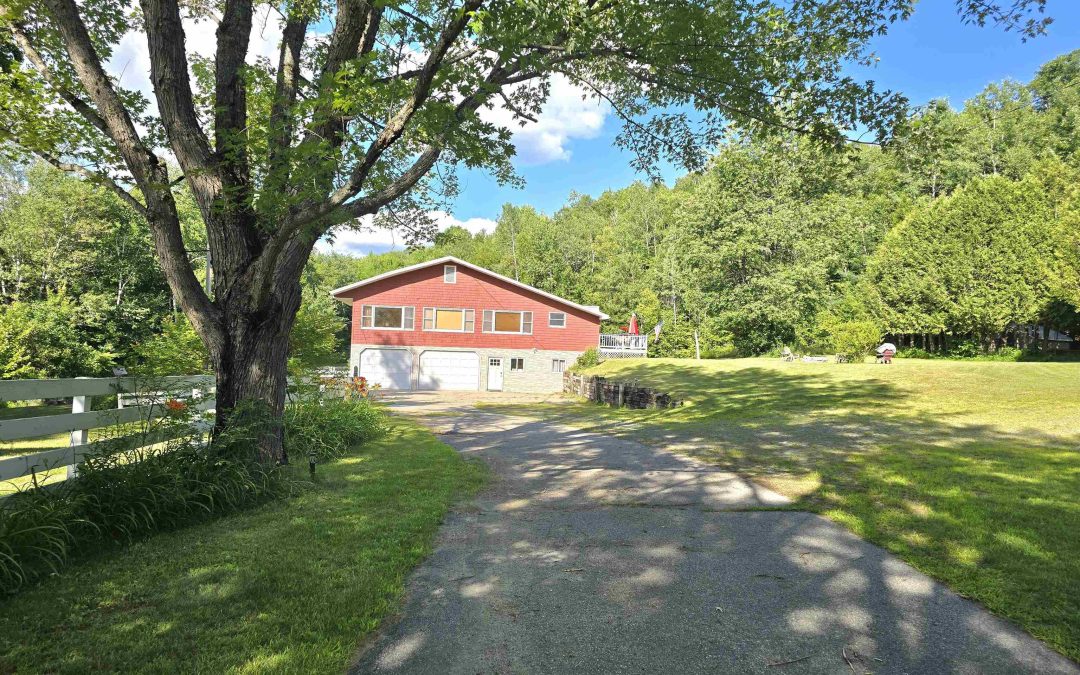
Welcome to 156 Bow Lane in the heart of North Conway a beautifully maintained Colonial set on a picturesque 1.1 acre lot surrounded by mature trees and natural beauty near Echo Lake and Cathedral Ledge. This spacious 4+ bedroom, 3 bath home offers over 3,000 square feet of inviting living space designed for both everyday comfort and memorable gatherings. From the moment you arrive, the charming farmer’s porch, sweeping lawn, flower gardens and detached two car garage create a warm and timeless New England feel. Inside, the home blends classic character with thoughtful updates throughout, including a beautifully renovated kitchen, updated baths, mini splits, whole house generator, and two newer pellet stoves that create the perfect cozy atmosphere after a day enjoying the mountains and valley year round recreation. The flexible floor plan features generous living and family rooms, inviting gathering spaces filled with natural light, and room for guests, home office space, or multigenerational living. Enjoy peaceful mornings on the screened porch, summer evenings on the front deck, and year round enjoyment surrounded by nearby hiking trails, skiing, and outdoor adventure. Located just minutes from North Conway Village, shops, restaurants, skiing, and all the Mount Washington Valley has to offer, this exceptional property combines comfort, convenience, and the charm of four season living in one of the area’s most desirable neighborhoods. A true Mount Washington Valley retreat ready to welcome its next chapter. Shown by appt.
by Janet McMahon | Jul 15, 2026 | RES | Active

$439,900
Active
Lovingly owned since 2020, this home has been a cherished weekend retreat and gathering place for family and friends. Set atop a hill on 1.6 private acres and surrounded by hundreds of acres of abutting land, the peaceful setting offers privacy, beautiful sunsets, and room to enjoy the outdoors. Located on a private road with just one other home, it’s a place where you can truly unwind. Over the years, thoughtful updates including new flooring, windows, paint, and other improvements have enhanced the home’s comfort while maintaining its welcoming character. The spacious rooms provide plenty of room for entertaining, relaxing, and creating lasting memories. The flexible floor plan is well suited for a multi-generational family, featuring a lower-level bedroom, spacious family room, and an area with the potential to add a second kitchen, creating additional living space for extended family or guests. The landscaped yard features apple trees, colorful flower gardens, fenced areas, and open space perfect for outdoor fun. Whether it’s a game of wiffle ball, riding dirt bikes, taking the ATV directly to nearby trails, snowmobiling in the winter, sledding down the backyard hill, or gathering around the fire pit for s’mores while watching the sunset, this property offers an outdoor lifestyle that’s hard to match. An additional garage at the rear of the property provides valuable storage or workshop space. While it could benefit from some updating, it has been functional for storage and recreational equipment. To make your move even easier, most furnishings will convey with the sale, allowing you to begin enjoying the home from day one. Agent interest. Please do not drive by the property. Showings are by appointment only.